
Agency Growth
How I Rebuilt My Service Business at 39 Around Cold Email and Sales
· Updated
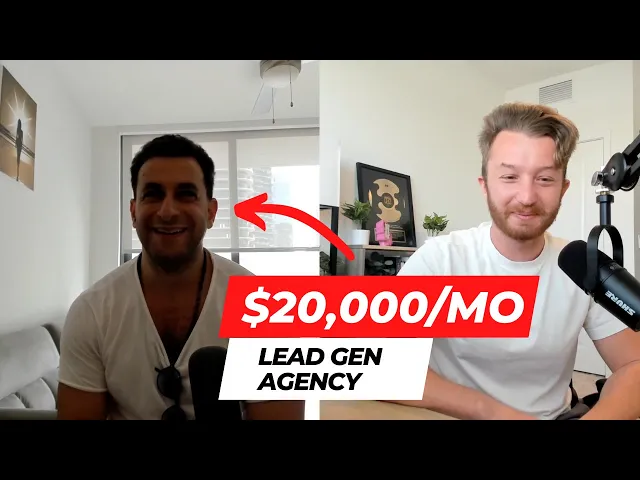
I'm Ori. I was 39 at the time of the interview and had worked in hospitality and sales before joining Client Ascension and building a cold-email lead-generation service. I had stopped closing the previous offer, so my starting point was no monthly income from that work, not a complete absence of business or sales experience.
In the Client Ascension interview, I gave a rough range of $15,000–$25,000 when asked where the business was at. I was not working from a precise last-thirty-days total, and I did not provide a profit breakdown. The more useful part of the story is how I learned to connect an offer, outreach, sales material and delivery.
I needed to believe in what the customer was buying
I had been selling a business-opportunity offer about building an agency that I no longer believed was getting customers the results it promised. I had also tried it myself. That was why I stopped closing it, even though selling had been a skill I could use to make money.
I came into the next business with that experience. I needed to understand the service and see it work, rather than simply rely on the fact that I could persuade someone to buy. My existing sales background did not remove the need to learn a new delivery process.
The appeal was work I could understand and measure
What made the approach understandable to me was the connection between actions and a sales process. Instead of treating hard work as an abstract virtue, I could think through outreach, responses, meetings and customers as separate stages.
The example numbers discussed in that part of the interview were a way to explain the mechanism, not my measured conversion rates. The useful distinction was that activity needs a system and an offer behind it; sending more messages is not the whole business.
I had to see the pieces work together
I said it took me several months to really understand the process. I wanted to sign a larger customer before doing the interview, and seeing things work and not work helped me understand why the pieces mattered.
The offer, proof and sales process were connected. A break in the chain could stop someone from buying even when other parts seemed sound. That was something I had to learn through the work, rather than assume I knew because I had previously been a closer.
The sales process continued outside the call
We worked on making the sales process clearer and having enough information about us online for a prospect to research. The call was not the only place they would decide whether we were credible.
I preferred a plain Google document and Loom explanation for the corporate prospects I discussed. I wanted the material to help them think through the offer. That was my preference for those buyers, not a claim that polished design always performs worse.
Client Ascension related reading: the VSL breakdown examines how a sales presentation connects the result, supporting evidence, mechanics, objections and the next step.
Different readers needed different levels of detail
I described a due-diligence phase where more than one person might review the material before approving a purchase. The explanation needed enough detail for that review, alongside a short Loom for people who would not read everything.
In my explanation, credibility, the emotional reason to act and a rational evaluation all mattered. I was trying to make the process understandable to the people involved, rather than assume a single call would answer every question.
A lead-generation service exposed problems beyond outreach
We started with the idea of a cold-email agency, but I described finding ourselves involved in sales training and product-market-fit questions as well. Helping a customer get value exposed issues beyond merely getting a message sent.
That is different from claiming cold email automatically fixes a business. The experience pushed us to think about the rest of the client’s sales process and what needed to be in place for the service to help.
Client Ascension related reading: Kabrin’s case study examines changing markets, collecting additional money, setup fees and fulfillment.
Adapted by Client Ascension with AI assistance from Ori's interview. The first-person narrative follows the source speaker’s account. Watch the original video





