
Sales & Client Acquisition
What I Check Beyond the Script When Cold Outreach Gets Ignored
· Updated
When a cold DM or email gets no reply, I look beyond the wording of the message. What does an interested person find when they look you up? In this lesson, I treat outreach as a way to bring somebody to the offer, with the profile and sales page doing much of the explanation before a conversation begins.
Think about what happens after the message
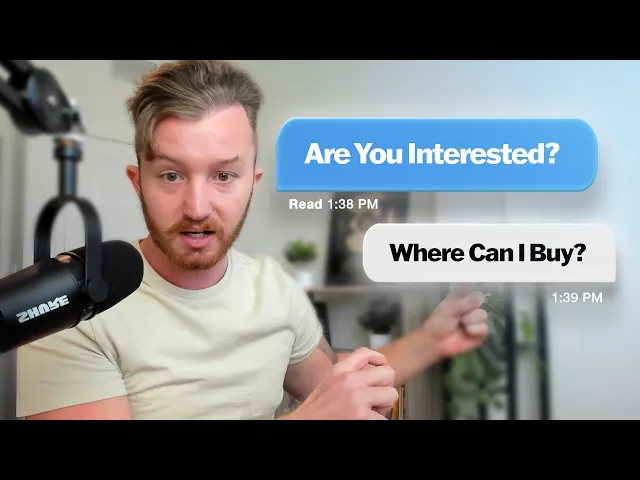
Imagine a short message that compliments the recipient and asks whether they are interested in an offer. I describe the next step from the receiving side: looking at the sender's profile before deciding what to do.
That is why I ask whether the bio explains the business or presents useful evidence. The bio can give someone a reason to click through to the site, rather than make them guess what the person contacting them actually does.
Make the page answer the questions the buyer will have
On the landing page, I want a clear offer, a useful value proposition and evidence supporting the work. I ask whether the page addresses the target buyer's actual pain points and whether the problem being pitched exists for that buyer at all.
A VSL can explain the service and the reasons to consider it before somebody replies. If a guarantee forms part of the offer, it belongs with the explanation of the terms; it is not a substitute for understanding the buyer's problem.
Client Ascension related reading: the value proposition guide distinguishes the service deliverables from the buyer's reason to want them.
Allow a useful response to take another form
I describe cases where an interested recipient books a call, opts in or purchases a digital product without first responding to the original message. The page has answered enough of the questions for that person to take a different next step.
When a response does arrive, it can be a question the page did not answer. My point is to think about the whole path from message to explanation to action, rather than treat the DM reply as the only way somebody can show interest.
Ask about the relevant problem instead of forcing rapport
I challenge the advice to turn every cold message into a long rapport-building exchange. My preference in this lesson is a direct question about whether the person needs the offer or has the problem it is meant to solve.
That does not remove every conversation from the process. I also describe people emailing, messaging or speaking on a call about the practical details of the service after entering the funnel. I want the basic explanation available before that exchange.
Check the website behind an email sender
I apply the same reasoning to cold email: a recipient may inspect the sending domain to understand who contacted them. The contrast I give is a domain leading nowhere versus a working website explaining the offer, evidence and buyer problem.
The useful check is whether the business can be understood when somebody goes looking for it. The lesson's emphasis is the destination and offer presentation, rather than a current technical tutorial about sending links or configuring email infrastructure.
Client Ascension related reading: Alex's fractional CFO case study is a separate operator account of offer changes and acquisition, not a test of this profile-to-page journey.
Test the message as part of a complete offer
I compare senders using the same script but presenting the business very differently. One has a relevant profile and an explanation of the offer; the other has no useful destination. My argument is that changing only the message leaves those other weaknesses untouched.
Before searching for another clever sentence, I want you to examine what the service is, why this buyer would want it and how clearly the page communicates that. The script creates the introduction; the rest of the business still has to make sense.
Adapted by Client Ascension with AI assistance from Daniel Fazio's lesson. The first-person narrative follows the source speaker’s account. Watch the original video





