
Agency Growth
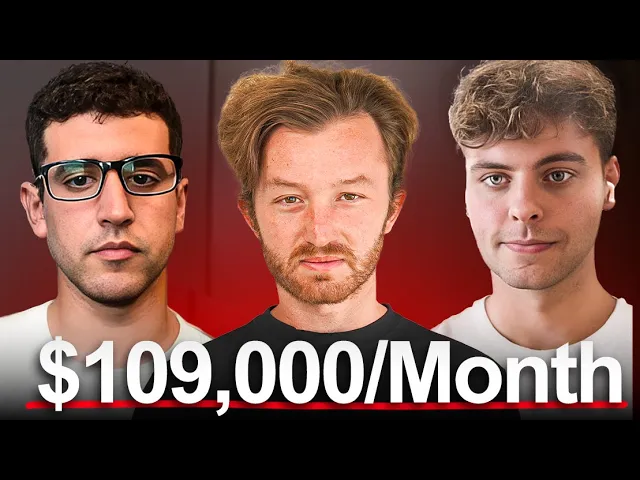
How Our Email Agency Reached a $109K Month With a Front-End Flow Offer
· Updated
I'm Philip. Connor and I run an email and SMS marketing agency for e-commerce brands. I handle sales and acquisition while Connor leads fulfillment and the team. At the interview, we had reached $109,000 for the previous month.
Our agency sold both one-time flow builds and ongoing service. The $109,000 monthly figure was not defined as MRR or profit. The change I want to explain is the front-end offer, the ad funnel and the personal follow-up I used to turn a cold prospect into a real sales conversation.
The one-time offer gave cold prospects a more specific starting point
Our main service was ongoing management, but we began advertising a one-time flow build. The project covered the core email automations and a signup form, with copy, design and implementation done for the brand.
The ongoing service went further: campaigns, flows, segmentation, deliverability and testing the form. A prospect might choose that service directly on a call, or buy the project and later move to a retainer. Those were different paths into the business, not an automatic upgrade for every project client.
Personalized outreach worked, but it took time
Before ads, I used personalized outreach. I found brands with weak email marketing, joined their lists and made a Loom explaining what was wrong and how we could help. I offered a free email design after they showed interest rather than produce every design before getting a response.
Getting the call was the difficult part. Some weeks I made Looms without booking one; other weeks several came through. I did not have a precise Loom-to-call conversion rate, and a small batch did not reliably produce a sale.
Client Ascension related reading: the acquisition guide explains choosing a channel that fits the offer and evaluating cost per client over a full sales cycle.
The ad funnel qualified people before they reached my calendar
The path started with Facebook or Instagram creative, then an opt-in page collecting contact details and a VSL page. The application asked whether they owned an e-commerce brand, what the business made and whether they could afford the investment before sending qualified people to the calendar.
The point was to build context and filter before a sales call. We were still learning to produce enough good ad creative, so this was an operating process we kept improving rather than a set-and-forget source of clients.
Client Ascension related reading: the VSL breakdown examines the decisions and objection handling inside a complete sales presentation.
I followed up as a person, not just a calendar reminder
We did not have a setter or closer at that point. I handled the follow-up myself, sending relevant case studies and designs and texting from my phone. I wanted the prospect to recognize a real person before we spoke.
If someone opted in but did not book, I would look at their site and send an example relevant to their size or industry. In the example message I gave, I would introduce myself as Philip, the co-founder, and explain why I thought the work might fit their business.
A strong month was not a complete retention forecast
We had added many retainer clients recently, so the interview did not establish a mature lifetime-value or churn estimate for that cohort. The one-time project could create a route to ongoing work, but that did not tell us how long every new client would stay.
We also discussed higher revenue goals. The detailed plan was not finished: we had estimated from the previous month and still needed to work through the assumptions. Those goals were not additional results already achieved.
Adapted by Client Ascension with AI assistance from Philip's interview. The first-person narrative follows the source speaker’s account. Watch the original video





