

B2B lead generation
Sales
How to Review Your Cold Outreach Path: Message, Profile, Offer and Follow-Up
· Updated
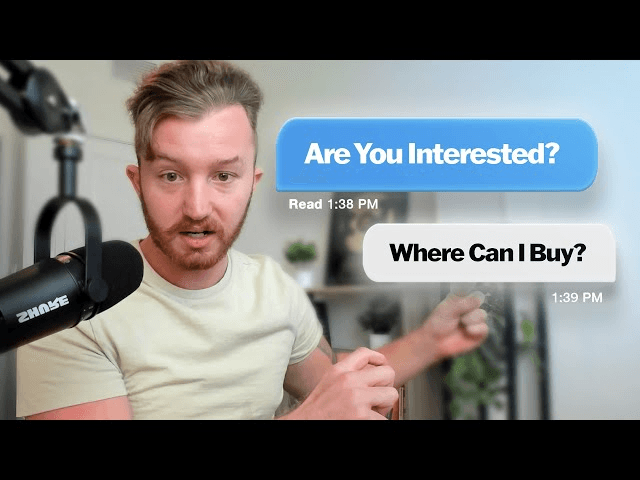
The original outreach guide connects the message with the profile, landing page and follow-up around it. We retain that broader topic here while treating the interviews as separate related material.
We recommend examining the whole path when outreach stalls. Choose a buyer whose problem you understand, make the proposed work easy to assess and give the next conversation a clear purpose. A stronger path is a practical objective, not a promise that a message will generate a sale.
Choose a problem before writing the message
We suggest describing the problem in terms the prospective buyer would recognize. Distinguish an observed problem from a guess about their business. A relevant question can open a discussion without claiming you already know their internal numbers or promising a result you cannot substantiate.
Consider an illustrative design studio offering campaign assets: the useful starting point is what the team needs to publish and what is delaying that work. “We design anything” leaves the scope unresolved. A clearer conversation would cover the type of assets, the handoff, revisions and the person approving the finished work.
We recommend the offer-formulation guide when the missing piece is the connection between a real problem and the delivery mechanism. Work on that explanation before treating a different opening line as the entire solution.
Review the profile as part of the same explanation
We recommend checking whether the profile and message describe the same work for the same buyer. State whom you help and what you do without adding an unsupported earnings promise. Give a visitor a direct route to the relevant explanation rather than making them search through unrelated offers.
We suggest showing evidence with its context intact. Explain what a case account actually describes, the work involved and any limits on the result. A result from another person’s business does not establish what a new prospect should expect from yours.
Related interview: We recommend reading the retained recording below as a separate operator account. It is related viewing, not the primary source or verification of the general recommendations in this guide.
Check the page reached after the message
We suggest opening each destination used in the outreach path and following the same route as the reader. Check that the page loads, the offer matches the message and the next step is understandable. If the message introduces a specific service, do not send the reader to a page that silently changes the service or buyer.
We recommend making the work and its boundaries concrete. Explain the inputs you need, what you will deliver and how the handoff works. Present evidence that belongs to that service, and distinguish what you can commit to doing from a business outcome affected by other factors.
We suggest reading the acquisition guide for a separate discussion of matching an acquisition channel to an offer, available resources and cost per client over a sales cycle.
Choose a useful next conversation
We recommend deciding what the initial message asks the reader to do. A question, a request to examine relevant information and an invitation to a call are different next steps. Choose one that fits the information available rather than asking the message to explain the whole service and close the sale at once.
We suggest preparing the reply path before sending the message. Decide who responds to a question, which material can answer it and what information your team needs before a call. A reply should lead to an appropriate response, rather than an automatic pitch that ignores what was asked.
We recommend the cold-email strategy article for related planning around the buyer, offer, process and test decisions. It is a planning resource, not evidence of permission, delivery or response.
Review follow-up for relevance, not repetition
We suggest recording what has already been said before writing another message. A useful follow-up can clarify an unanswered question, add relevant evidence or explain a part of the process. Repeating the same request without considering the conversation gives you little new information to work with.
We recommend deciding in advance how to handle rejection or a request to stop. Keep the record available to the people running outreach. This is an operating recommendation about handling the conversation, not a claim that a particular sequence or interval is appropriate for every recipient or platform.
Related interview: We recommend treating this other retained recording as a separate operator account too. Assess its own context rather than transferring a reported outcome into the recommendations above.

Check what the test can actually tell you
We recommend tracking the stages separately: the message sent, the reply, the conversation and the eventual commercial decision. Keep the offer and audience in view when comparing versions. If you change the service, list and follow-up together, the result does not isolate the effect of a new line of copy.
We suggest reviewing reach, offer fit, credibility, handoffs and delivery capacity separately. Name the gap the evidence points to, assign the next piece of work and check it before increasing activity.
Prepared by Client Ascension with AI assistance. Documentation checked 2026-11-01.





