
Business Growth
How I Build Coaching Launches From Audience Research and Sales Assets
· Updated
I'm David. I launch high-ticket coaching programs as a done-for-you service. Before that, I was a sales rep selling other people’s coaching offers. The change was using that sales experience to build and own my own service offer.
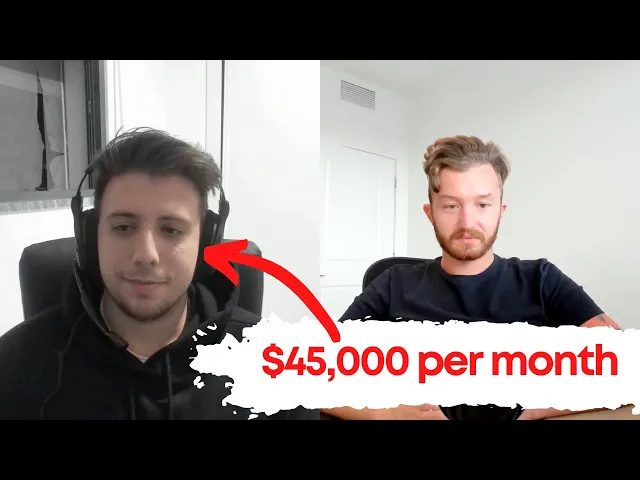
In the Client Ascension interview, I put my monthly incentive fees at roughly $40,000–$50,000 within a performance-based structure. That was the fee range I described, not the total sales generated for clients or a disclosed profit figure. The practical process starts with an expert and their audience, not with writing a launch page in isolation.
I start with expertise and an audience, not a generic course
I look for someone with genuine expertise they can teach. Ideally, they already have an audience following them for that subject. An existing audience gives us people to learn from and a starting point for distribution; it is different from building an audience from scratch.
I do not begin by assuming that a popular coaching offer elsewhere is exactly what this audience wants. I talk to the audience directly, often through free consultations that function as discovery calls.
The discovery calls supply the raw material
I ask what they are trying to do, why they are interested, what they have already tried and why they think those earlier solutions did not work. I also ask what they actually want to accomplish. Their answers inform what we create next.
That research shapes both the program and the launch material. The point is to work from the audience’s stated needs rather than only from my assumptions about the market. It does not mean that every person interviewed will buy.
The sales letter explains the person, process and choice
The long-form sales letter is a substantial document: who the expert is, what they have done, the proof, who it is for, who it is not for and the process itself. I want the reader to understand the approach, including how they could apply it themselves.
Then the choice is whether to do it alone or with the expert’s help. I described this as a useful explanation for an audience that already knows the person, rather than simply piling aggressive sales tactics onto a warm relationship.
Client Ascension related reading: the VSL breakdown examines how Daniel structures a presentation around the result, evidence, mechanics, objections and handoff.
The direct offer gives an interested reader a next step
The companion asset is what I called a power offer: who the offer is for, the goal, what we will go through and how it works, followed by an invitation to book a call. It is a direct statement of the offer alongside the longer explanation.
I described distributing the assets through Twitter and the email list, then keeping them visible as new people encountered the content. The audience and existing engagement were important conditions of this approach; the assets were not a substitute for having people to reach.
A case-study video follows an actual client result
After a real client win, the next asset is a case-study video explaining how that person got the result through the process. That comes after evidence exists. It is not a result to invent in advance to make the launch more persuasive.
From there, more useful content and teaching assets can feed people toward the offer. The intended function is to help a new follower understand what the expert does and whether it is relevant to them. It is not a guarantee that every follower will eventually book or buy.
Client Ascension related reading: Jeff Park’s case study explains how content, referrals and a more structured sales process fitted together in a service business.
I use real calls to make the sales process teachable
I described taking some of the early sales calls myself and recording them. That lets the person selling their own offer see the process in action and gives future salespeople examples to study, rather than handing them a script without context.
Bringing in another closer also depends on having a worthwhile opportunity for that person. My approach was to use people from my network with relevant experience and work alongside them while they adapted.
Adapted by Client Ascension with AI assistance from David's interview. The first-person narrative follows the source speaker’s account. Watch the original video





